
Criminology has paid limited attention to violence against animals. While there are several notable publications, and a few conference presentations each year, the theoretical foundation is limited and the boundaries of criminological study regarding animals are poorly defined. Animal abuse is seldom included in criminology textbooks and a search for related syllabi yields few results aside from research ethics courses. While animal abuse is considered by criminology when trying to understand the progression of violence toward humans, limited attention has been given to topics such as corporate violence toward animals, animals as property, the environmental harms of large-scale meat production, and the criminalization of advocacy on behalf of animals. This site (currently under construction) represents an effort to organize around the concept of “vegan criminology.” Vegan criminology includes a focus on animal rights and the rights of those attempting to protect animals, including efforts to document and prevent environmental threats, using animals as entertainment, sport, and experimentation, the role of patriarchy, the legal status of animals, and the widespread acceptance of treating animals as food.
<div>Isabel Klee’s new memoir explores the realities of dog rescue</div>
Isabel Klee's new memoir explores the realities of dog rescue
Eleana Tworek
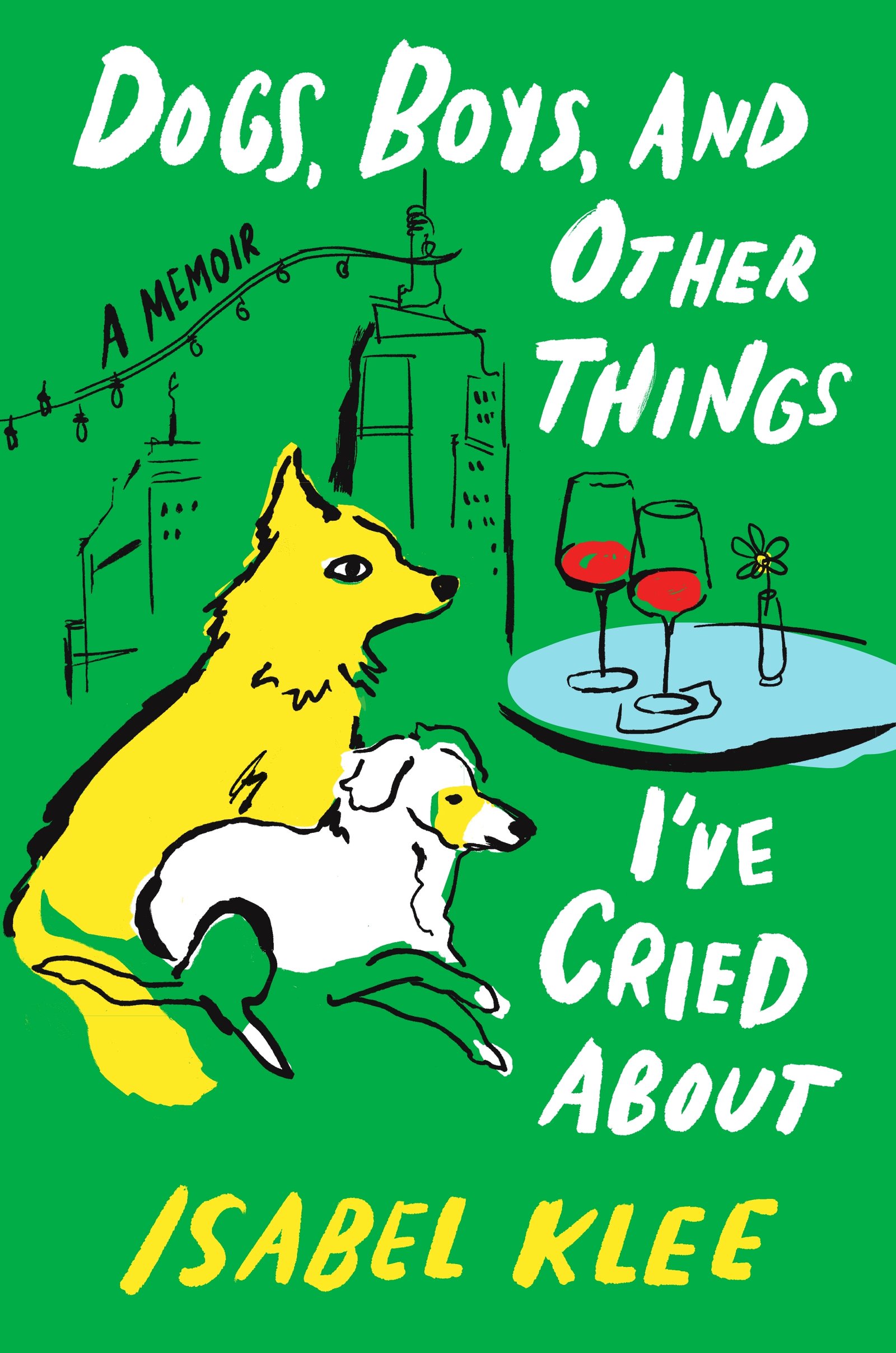
New York City-based content creator Isabel Klee is known for fostering some of the hardest-to-place dogs. She's written a memoir, "Dogs, Boys, And Other Things I've Cried About."
(Image credit: HarperCollins)

Go to Source
NPR: Animal Welfare
Cartagena’s iconic horse carriages give way to electric buggies
Cartagena's iconic horse carriages give way to electric buggies
Manuel Rueda

Cartagena, Colombia, is set to ban its iconic horse-drawn carriages, replacing them with electric buggies — a move dividing the historic city over tradition, tourism, and animal welfare.
(Image credit: Jeffrey Greenberg)


Go to Source
NPR: Animal Welfare
Box turtles. Coral. These illegally trafficked animals still need a good home
Box turtles. Coral. These illegally trafficked animals still need a good home
Nathan Rott

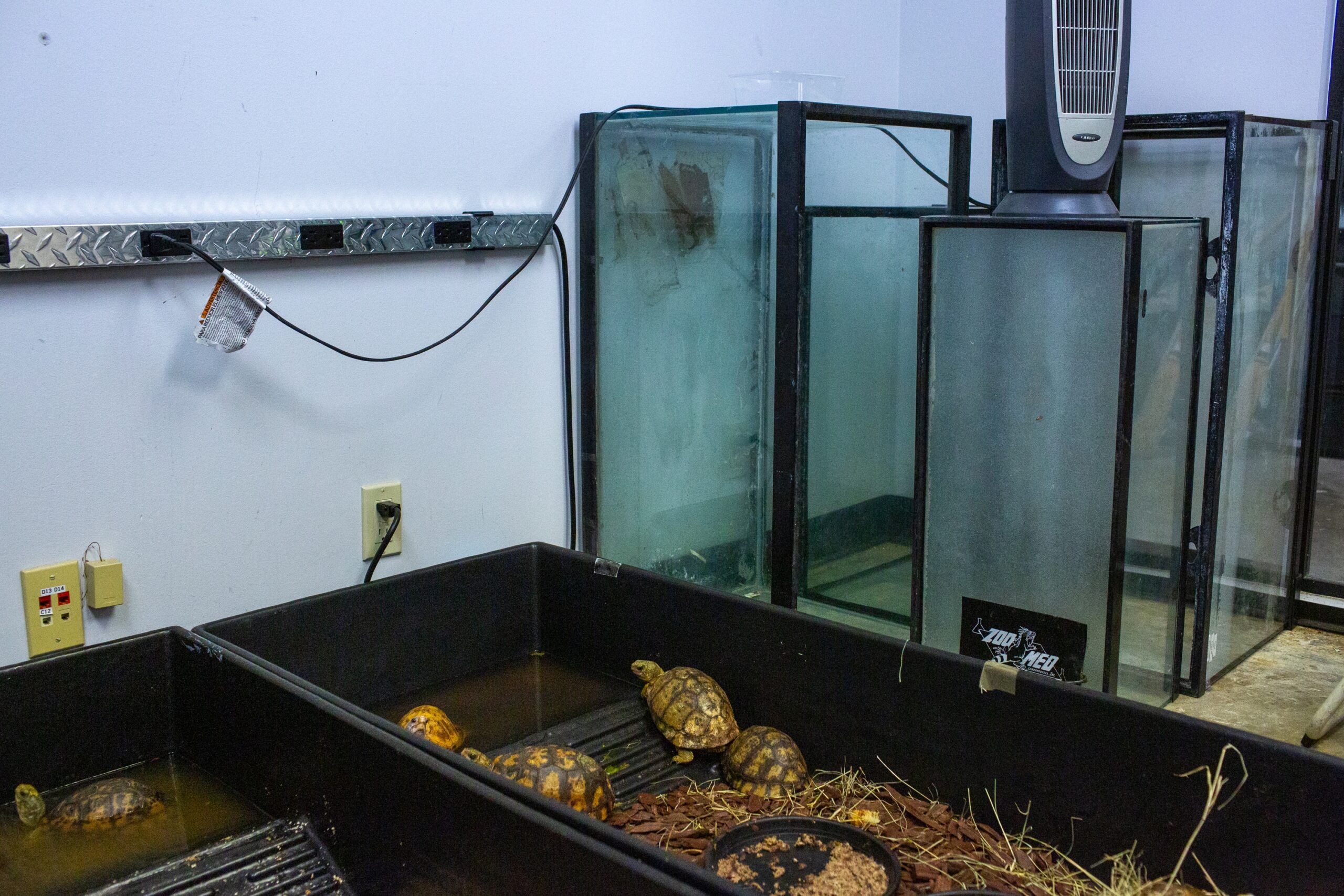
When authorities find wildlife that are being illegally trafficked, at ports or airports, the animals are often in terrible shape. Sick, starved, distressed. A pilot project in Southern California aims to get seized wildlife immediate care.
(Image credit: Ryan Kellman)

Go to Source
NPR: Animal Welfare